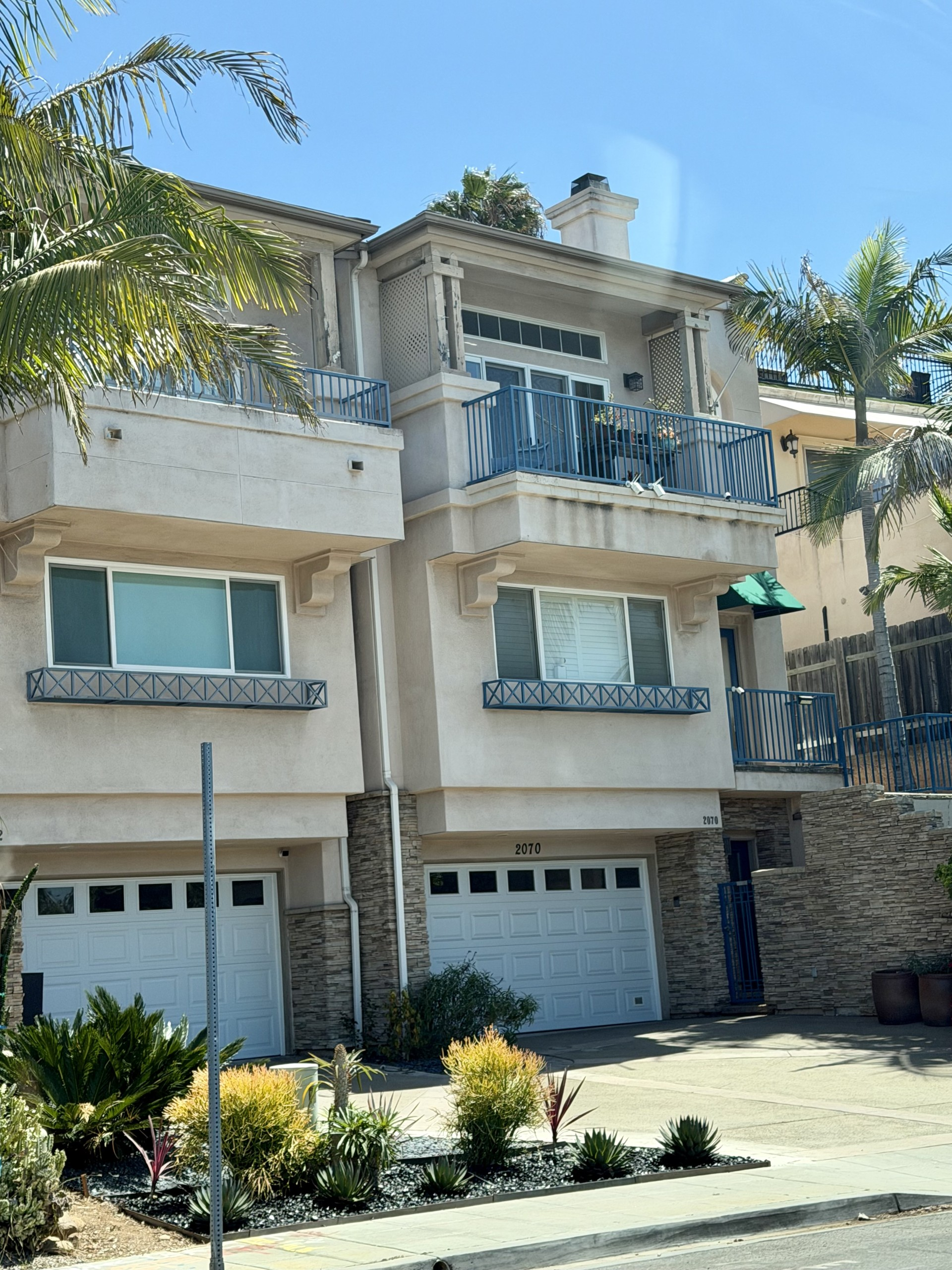
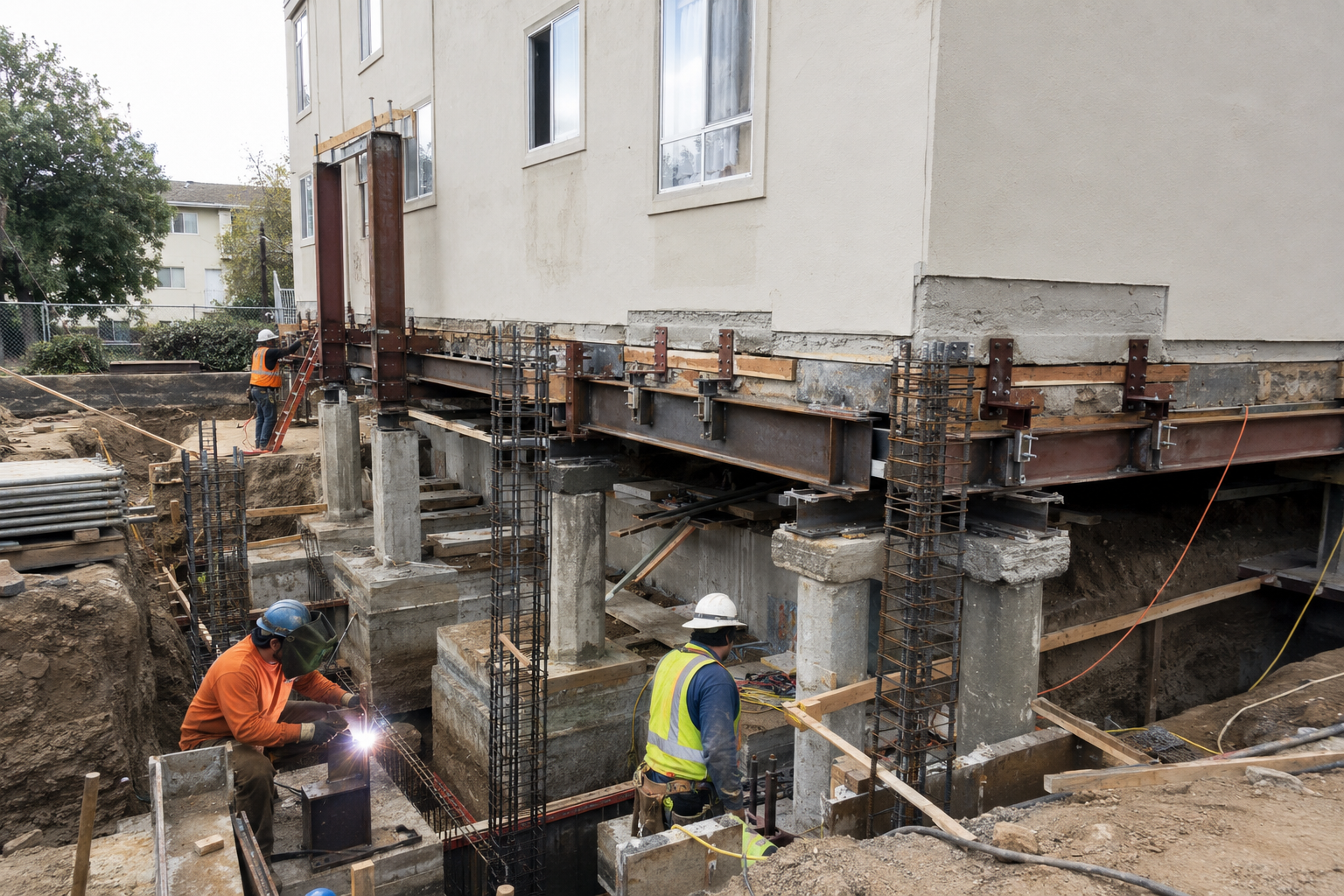
Soft-story wood-frame buildings present a serious seismic risk to residents, property owners, throughout San Diego County.
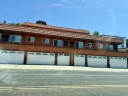
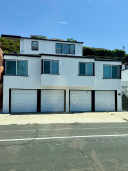
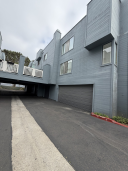
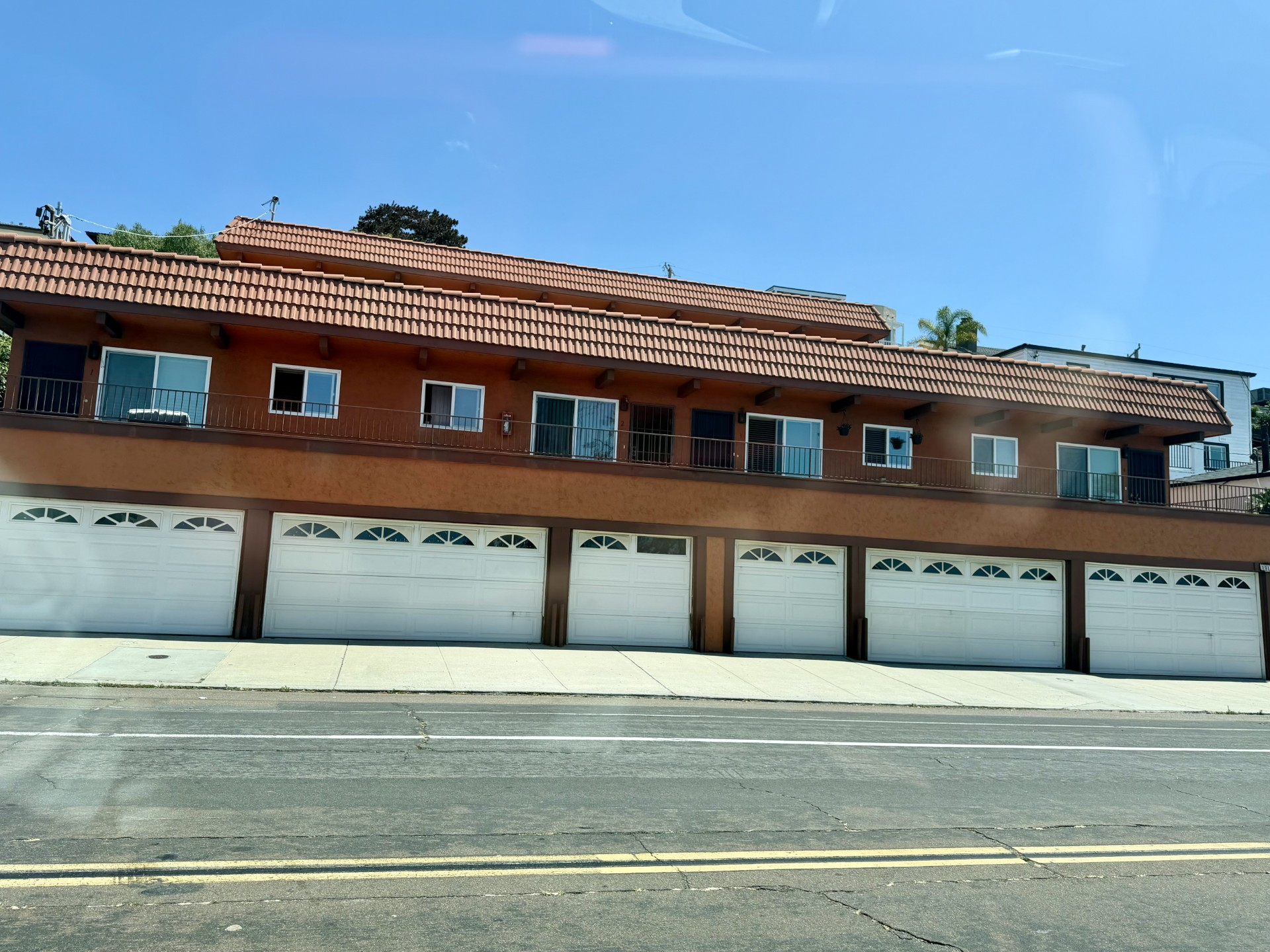
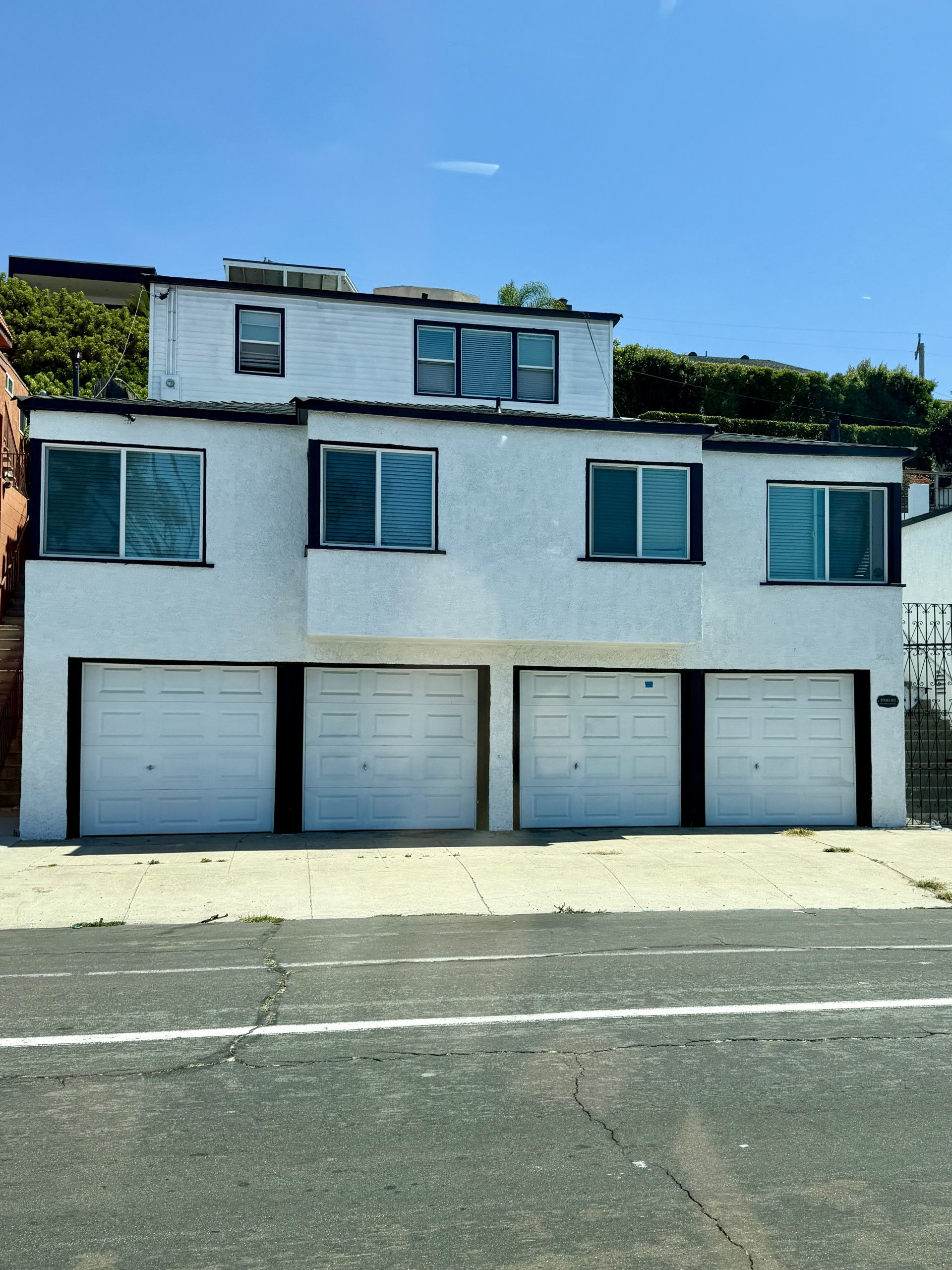
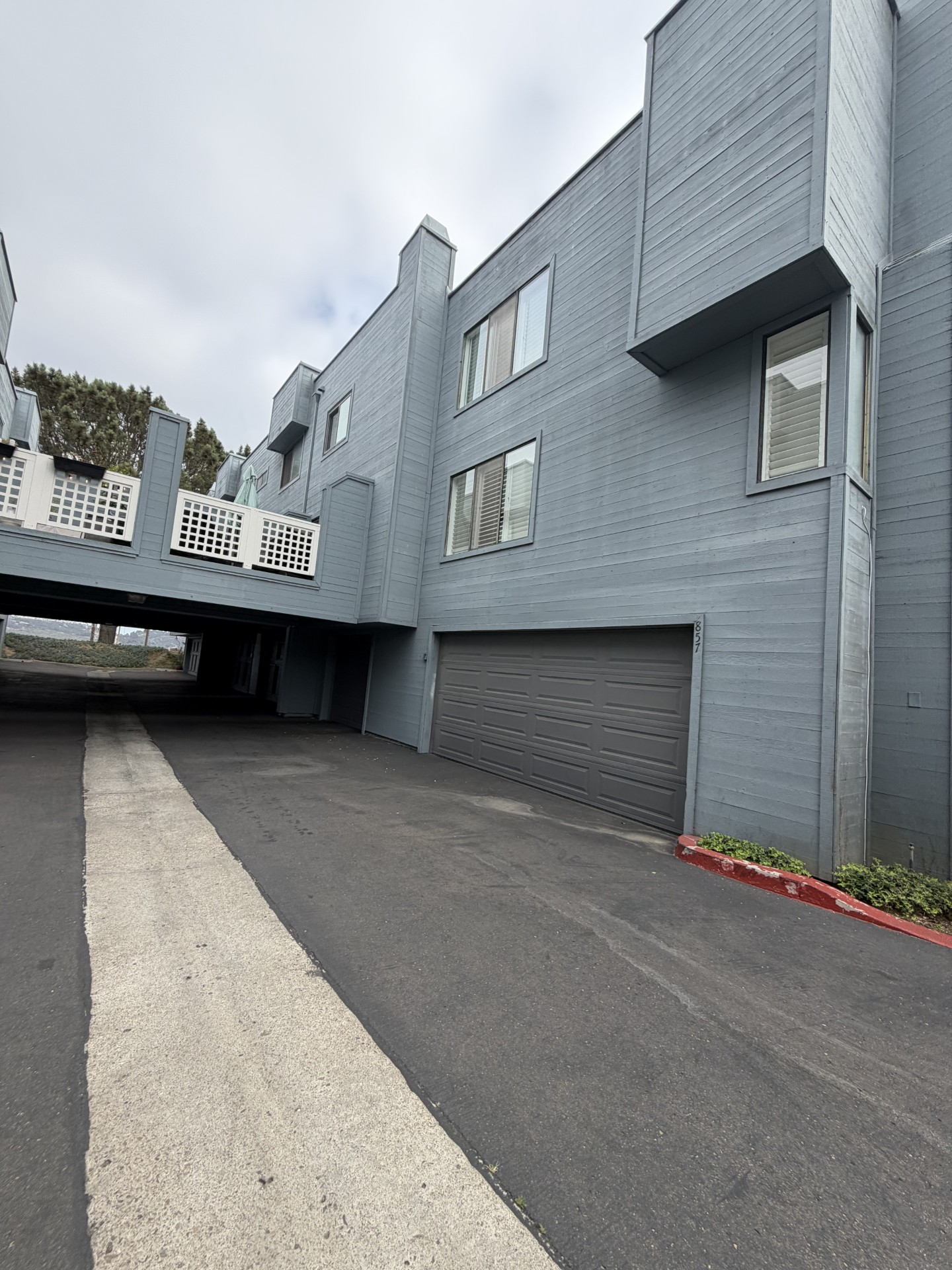
Many of these structures were built before modern seismic building standards and often include open or weakened ground-floor areas, such as tuck-under parking, garages, or large storefront openings. During a significant earthquake, these vulnerable lower levels may lack the lateral strength to support the building above, increasing the risk of partial or total collapse.
To address these hazards, many cities and insurers throughout the San Diego County area reviewingy “soft-story” properties. This designed to reduce known structural deficiencies using practical, cost-effective, and code-compliant strengthening methods. By improving the seismic performance of vulnerable buildings, soft-story retrofits help protect lives, preserve housing, and strengthen community resilience before the next major earthquake.
“*” indicates required fields
Soft-story wood-frame buildings remain a serious seismic concern throughout San Diego County, particularly in older multifamily, mixed-use, and hillside structures constructed before modern earthquake-resistant building standards. These buildings often contain open or weakened ground-floor areas, including tuck-under parking (Earthquake Multi-Unit Retrofit) , garages, storefront openings, or large unsupported spans that can reduce the structure’s ability to resist lateral earthquake forces.
Past California earthquakes, including the 1989 Loma Prieta earthquake, the 1994 Northridge earthquake, 2014 South Napa earthquake, 2019 Ridgecrest M6.4 foreshock on July 4th and a M7.1 mainshock on July 5th, demonstrated how vulnerable soft-story construction can be when a building’s lower level lacks adequate strength, stiffness, or continuity. During a major seismic event, these weaknesses may increase the risk of excessive movement, structural damage, partial collapse, or unsafe conditions for occupants.
While many jurisdictions in California have adopted mandatory soft-story retrofit programs, San Diego property owners should not wait for local enforcement before evaluating vulnerable buildings. Proactive seismic assessment and retrofit planning can help reduce life-safety risks, protect tenants, preserve housing, and limit costly damage after an earthquake.
A properly designed soft-story retrofit strengthens the building’s lower level by improving load paths, increasing lateral resistance, and reinforcing deficient structural elements. These upgrades may include steel moment frames, plywood shear walls, foundation anchorage, drag connections, hold-downs, or other engineered solutions appropriate to the specific building.


Soft-story buildings can represent a significant seismic risk in established San Diego neighborhoods, especially in older multifamily (Earthquake Multi-Unit Retrofit) and mixed-use properties where tenants rely on the safety of the structure above them. When the ground floor contains open parking areas, garages, storefronts, or limited lateral support, the building may be more vulnerable to severe damage or collapse during a major earthquake.
Retrofitting soft-story buildings helps protect lives, reduce displacement, and preserve critical housing. In a region where housing availability is already a serious concern, the loss of vulnerable residential units after an earthquake could have long-lasting effects on families, property owners, and the surrounding community.
A proactive seismic retrofit is an investment in both safety and resilience. By strengthening deficient ground-floor conditions, improving structural load paths, and reinforcing vulnerable building components, property owners can help reduce the risk of catastrophic damage before the next major seismic event occurs.
Premier Choice Restoration & Building Services is committed to helping San Diego property owners evaluate seismic vulnerabilities and complete practical, code-compliant retrofit solutions that protect residents, preserve buildings, and support stronger communities.
One of the biggest issues raised by requiring residential
retrofit is determining who is responsible for the cost. The City of Berkeley, for example, found that the average soft story retrofit cost was approximately $50,000 per building ($5,000 per unit).1
The expense of a retrofit can place an undue burden on property owners and The City of Los Angeles understands this. Property owners whose buildings are occupied by tenants are allowed to pass some of the retrofit cost to the tenants. This allows property owners more ability to protect the profitability of their building.
A thorough understanding of retrofit standards and requirements is essential for both design professionals and contractors involved in soft story projects. Even engineers and contractors who are highly proficient in their respective fields may lack the specialized knowledge required to accurately interpret and implement soft story retrofit criteria. This gap was evident in Berkeley, where differing interpretations of engineering standards produced considerable inconsistency — both in the scope of retrofitting performed and in the determination of which buildings were subject to retrofit requirements. An independent study undertaken by The Foundation Works further revealed that a significant number of property owners were receiving over-engineered retrofit proposals, resulting in project bids that exceeded reasonable estimates by five to six figures.
— Founder


The purpose of a multi-unit seismic retrofit is to strengthen vulnerable structural conditions and improve the building’s ability to transfer earthquake forces safely into the foundation and supporting ground below. In soft-story buildings, the greatest concern is often the open or weakened ground level, where parking areas, garage openings, storefronts, or large unsupported spans can reduce lateral resistance during an earthquake.
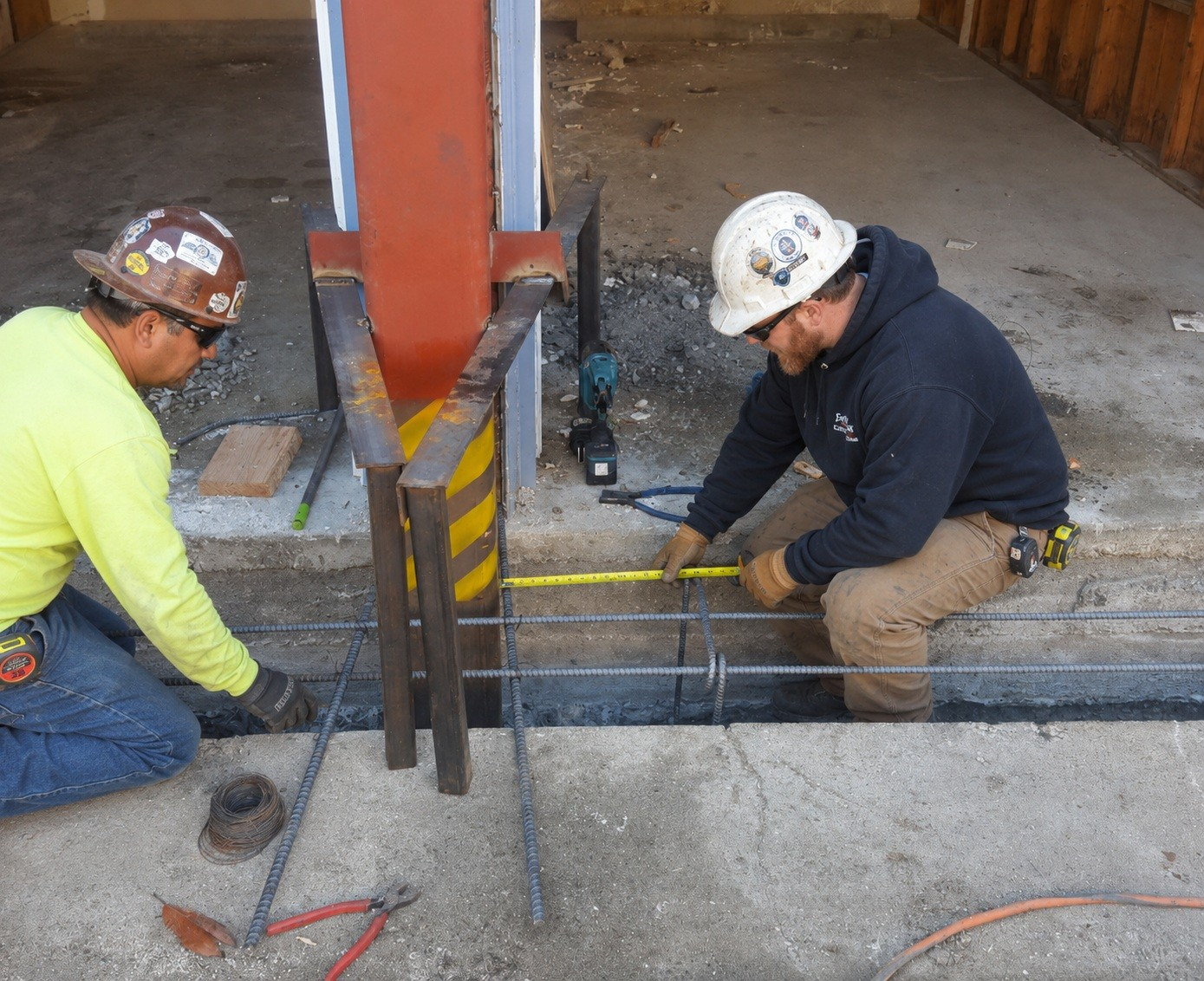
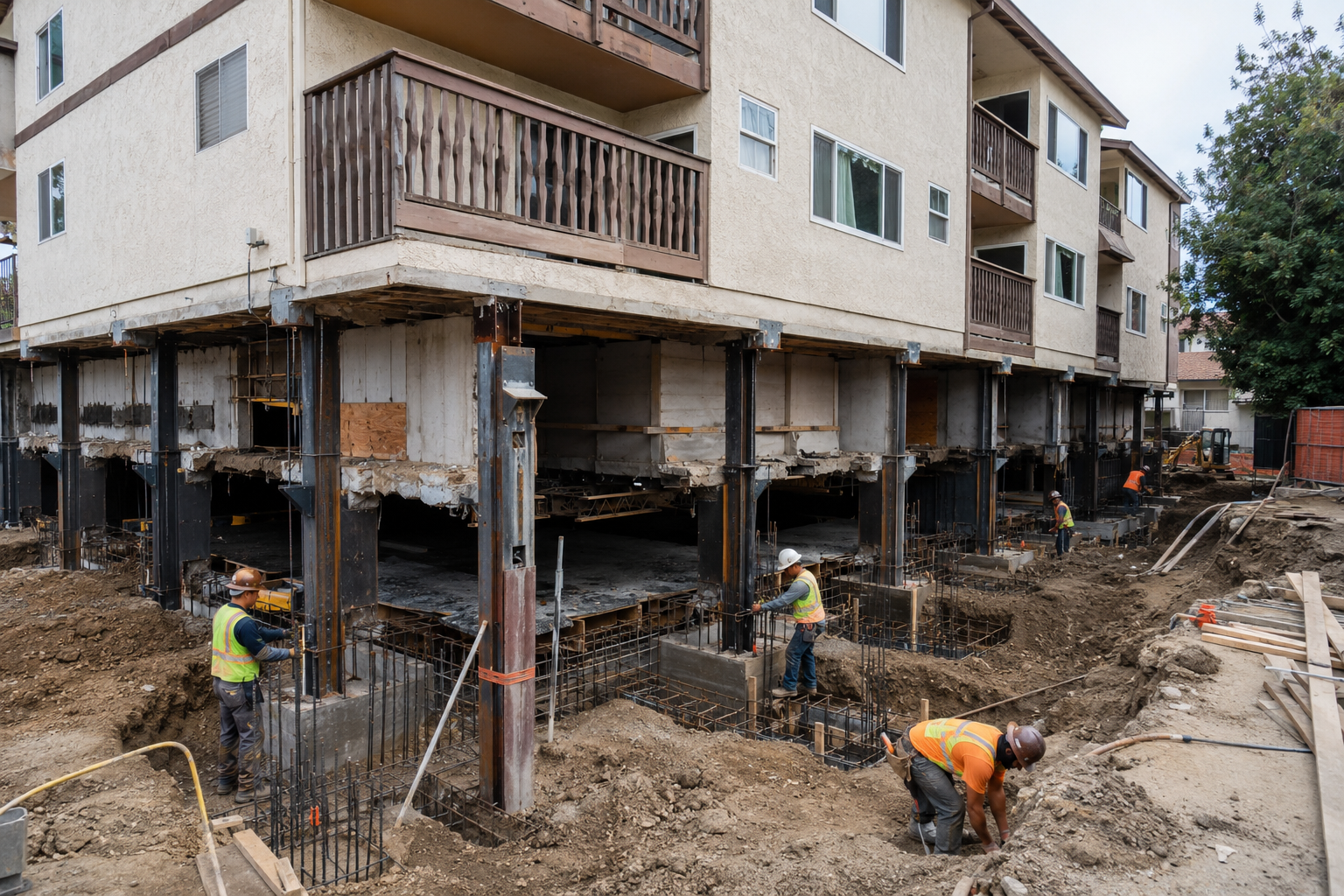
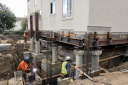
A typical soft-story retrofit may include the installation of engineered steel columns, steel moment frames, reinforced concrete grade beams, foundation anchorage, hold-down systems, drag connections, and other structural components designed specifically for the building. These improvements work together to create a stronger load path and reduce the likelihood of severe ground-floor failure during seismic movement.
Steel framing systems have long been recognized for their strength, durability, and performance in seismic applications. When properly engineered and installed, steel columns and frames can provide the rigidity and lateral support needed to help vulnerable buildings better resist earthquake forces.
Premier Choice Restoration & Building Services provides start-to-finish seismic retrofit services for multi-unit and soft-story buildings throughout San Diego. Our process can include structural evaluation, engineering coordination, permit support, steel installation, concrete work, foundation anchorage, special inspections, and finish repairs after the retrofit work is complete. From initial planning through final completion, our goal is to deliver practical, code-compliant strengthening solutions that help protect residents, preserve housing, and improve long-term building resilience.Earthquake Multi-Unit Retrofit
Premier Choice Restoration & Building Services is an experienced San Diego County foundation repair and seismic retrofit contractor, providing practical structural strengthening solutions for soft-story and multi-unit residential buildings.
Our multi-unit seismic retrofit services are designed to support property owners, managers, HOAs, and residents through every phase of the project. From initial evaluation and engineering coordination to permit support, construction sequencing, inspections, and finish repairs, PCRBS manages the critical details required to complete a complex retrofit efficiently and professionally.
A successful multi-unit seismic retrofit requires more than structural work alone. These projects often involve tenant coordination, site access planning, safety controls, inspection scheduling, administrative documentation, and careful phasing to reduce disruption to the property. PCRBS oversees these moving parts as part of a complete retrofit strategy.
Our team coordinates the construction process from start to finish, including steel installation, concrete work, foundation anchorage, stucco repairs, city inspections, and final closeout support. The result is a code-compliant retrofit process focused on improving seismic performance, protecting residents, preserving housing, and helping San Diego properties become stronger before the next major earthquake.