San Diego properties face unique challenges—from coastal weather and humidity to fire risks and occasional seismic activity. As a result, reconstruction and building services in San Diego play a critical role in helping homeowners and businesses restore, rebuild, and protect their properties. Whether you’re dealing with water damage, fire damage, or simply upgrading your building, choosing the right restoration partner ensures long-term safety, compliance, and property value.
This comprehensive guide explains everything you need to know about restoration and building services in San Diego, including benefits, process, and what to expect during reconstruction.
Understanding Reconstruction and Building Services in San Diego
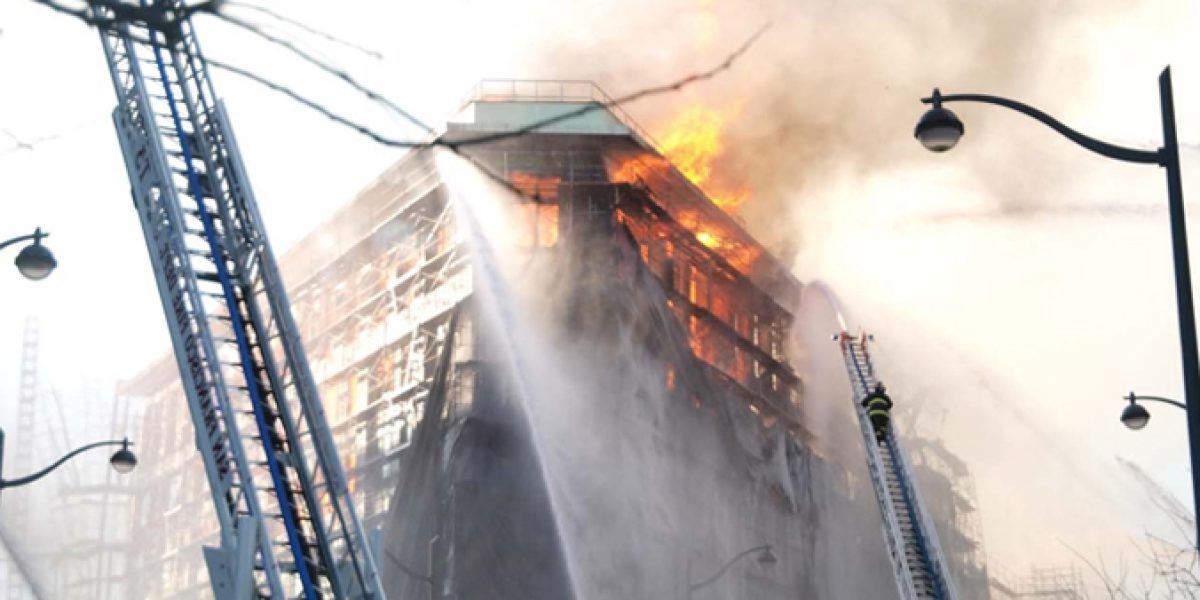
Reconstruction and building services cover everything needed to repair, rebuild, and restore damaged properties. In San Diego, these services are in high demand due to wildfire exposure, sudden plumbing failures, coastal corrosion, flooding, and seismic activity.
Reconstruction involves restoring a property to its pre-damage condition or better, while general building services include remodeling, upgrades, expansions, and new construction. When your property suffers unexpected damage, you need specialists who understand structural safety, California building codes, and insurance-approved restoration practices.
The Difference Between Reconstruction and General Building Services
Although the terms are often used interchangeably, they serve different purposes:
Reconstruction Services
Performed after major damage (fire, water, mold, storm, structural failure)
Includes demolition, structural evaluation, framing, rebuilding, and code upgrades
Requires restoration specialists and emergency response
Highly coordinated with insurance adjusters
General Building Services
Planned improvements such as renovations, additions, or remodeling
Focused on enhancing aesthetics, functionality, or property layout
Not urgent and typically not linked to damage
Property owners benefit from understanding these differences—especially when filing insurance claims or planning long-term improvements.
Key Restoration and Building Services Available in San Diego
San Diego’s restoration industries are known for delivering specialized services designed for the region’s climate and risks. The most common services include:
Fire & Smoke Damage Reconstruction
Removal of soot, smoke, and toxic residues
Structural cleaning and rebuilding
Odor removal and air scrubbing
Restoring damaged framing, walls, and roofing
Water Damage Reconstruction
Water extraction and moisture removal
Structural drying and dehumidification
Mold prevention and remediation
Rebuilding damaged floors, walls, and ceilings
Mold Remediation & Restoration
Mold inspection and containment
Removal of mold-affected materials
Sanitization and reconstruction
Prevention strategies to stop future growth
Storm & Wind Damage Repair
Roof reconstruction
Window and exterior repairs
Structural stabilization
Damage caused by heavy rain or wind events
Seismic Safety Upgrades
Foundation bolting and bracing
Structural reinforcement
Earthquake-resistant retrofits
Bringing older buildings up to California seismic standards
These combined reconstruction and building services ensure your property remains safe, resilient, and compliant with current regulations.
Why Restoration and Building Services Are Important in San Diego
San Diego’s environment demands proactive building care. Effective restoration offers:
Increased structural strength after damage
Code-compliant rebuilding for long-term safety
Protection from future disasters like mold or structural failure
Preservation of property value
Insurance-approved restoration work
Improved efficiency through modern building materials and techniques
The restoration industries in San Diego play a vital role in keeping neighborhoods safe and maintaining the city’s architectural integrity.
Residential Reconstruction: Restoring Homes with Care
Residential restoration goes beyond rebuilding walls—it’s about restoring families’ peace of mind. Homeowners rely on reconstruction experts to:
Repair fire, water, mold, or storm damage
Match the original design and finishes
Upgrade old systems to current building codes
Replace flooring, cabinetry, drywall, insulation, and roofing
Restore safety, comfort, and functionality
Every residential project requires attention to detail, compassion, and clear communication to help homeowners recover quickly and confidently.
Commercial Reconstruction and Building Services for Business Continuity
Commercial properties require fast, efficient, and code-compliant restoration to minimize downtime. Professional teams handle:
Retail, office, warehouse, and industrial reconstruction
Emergency repairs after unexpected damage
ADA-compliant upgrades
Structural reinforcement
Commercial HVAC, electrical, fire suppression, and plumbing repairs
In San Diego’s competitive business environment, reliable commercial reconstruction services protect revenue, maintain customer confidence, and support long-term growth.
People Also Ask
What is the difference between reconstruction and building services?
Reconstruction restores a property after major damage such as fire or flooding, while general building services focus on planned remodeling, upgrades, or new construction.
How long does reconstruction take in San Diego?
The timeline depends on the extent of damage. Minor repairs take a few weeks, while major reconstruction after fire or water damage can take several months.
Does insurance cover reconstruction and restoration?
Yes. Most homeowners and commercial insurance policies cover reconstruction after fire, water, storm, or structural damage—depending on policy terms.
What services are included in reconstruction work?
Services may include demolition, structural repairs, mold remediation, framing, roofing, plumbing, electrical work, and full rebuilding to restore the property.
Why are seismic upgrades important in San Diego?
San Diego is earthquake-prone. Seismic retrofitting—including brace and bolt upgrades—strengthens a building’s foundation and reduces the risk of structural collapse.